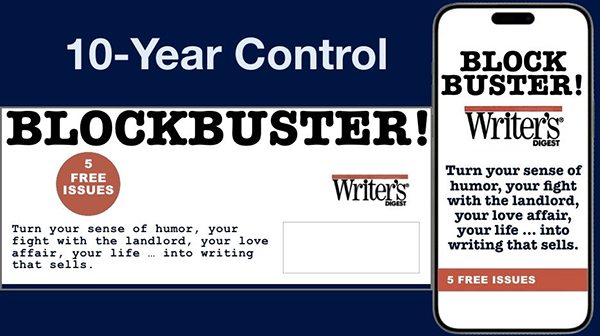
"I've never written a letter to a direct mail copywriter before. But your subscription package was super."
Study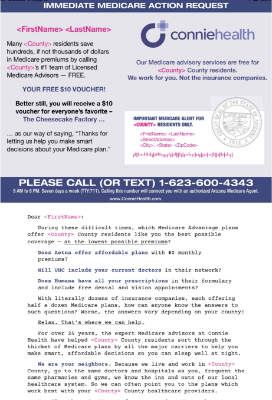
"Our phone team was stunned. They never heard Medicare customers compliment us on how great our direct mail was. Thanks for giving us great creative to iterate on."
Study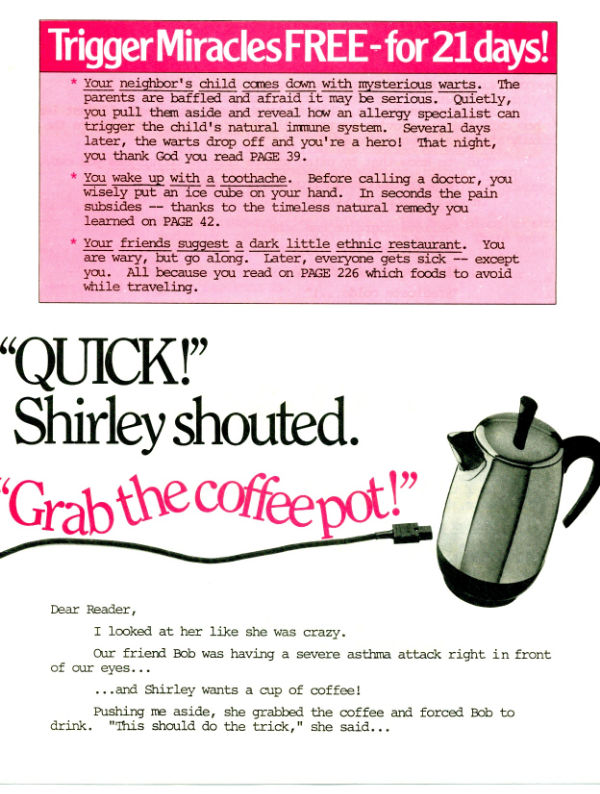
"Your Trigger package is perhaps the perfect direct mail package. It should be in a vacuum-sealed glass case somewhere!" -- Richard Armstrong, A-List Copywriter
STUDY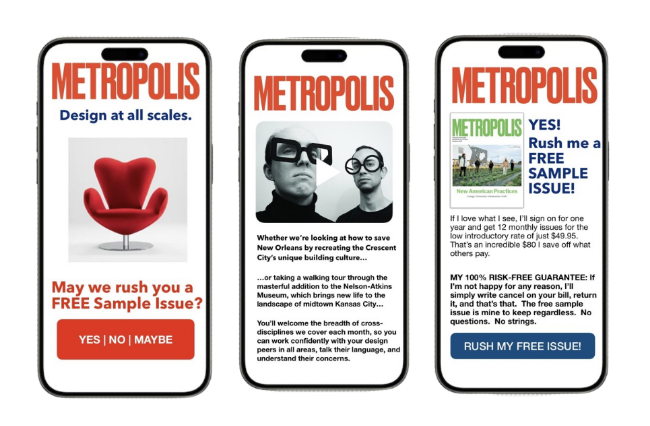
“Josh, I was singing your praises and reading your copy to a class of 102 people attending Columbia Journalism School’s Annual Publishing Course.”
STUDY
Ellen de Lathouder
VP Creative Services
Meredith Corporation
Kathi Ramsdell
Promotion Manager
Rodale Press
Julie Doll
Promotion Manager
OxMoor House
Josh has an 11-year membership acquisition control for The National Fire Protection Association which won a MAXII Award -- the judges said it was "one of the great achievements in direct marketing history." He has a 10-year circulation control for F&W's Writer’s Digest. His circ control for Southern Living hung around for eight years. And his audience development kit was a 5-year winner for the erudite, NY Review of Books.

For direct response to work, you need to park your posterior on a sturdy, three-legged stool.
Leg 1: You need a great, compelling offer that will motivate your audience to action.
Leg 2: You need qualified buyers — people who have a genuine affinity for what you have to sell.
Leg 3: You need creative (copy and design) that is easily digestible to your audience and presents your features and benefits, your unique selling proposition, your offer … clearly and compellingly.
If any of your stool legs are wobbly, you'll topple over.
Let’s say you are selling a new bamboo fishing rod. If you send a great offer to people whose only interest in fish is spreading lox on their bagel, you'll get a tepid response. Similarly, if you send a lousy offer to qualified buyers — in this case, people who love to fish — you’ll still get bupkis. Your offer needs to be (Oh, wow!) compelling AND it needs to go to qualified buyers.
THERE ARE NO OTHER CHOICES!
But there is one other way to screw up. The third leg is your creative presentation. (That's what I do for a living.) Your copy and design needs to convey your features and your benefits … your Unique Selling Proposition … your offer … clearly and with a little pizzazz … in a format that resonates with your tribe.
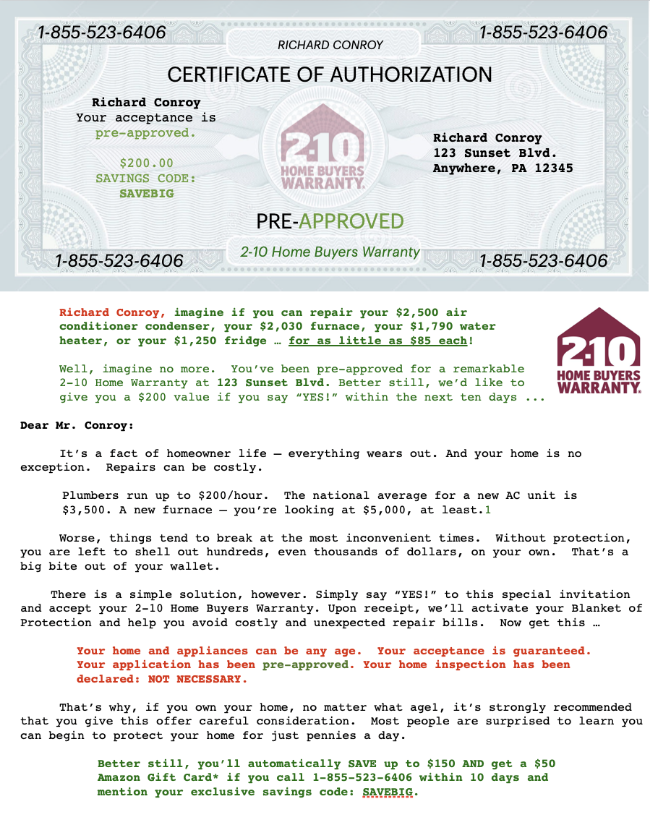
HOME WARRANTY
EARNED MEDIA
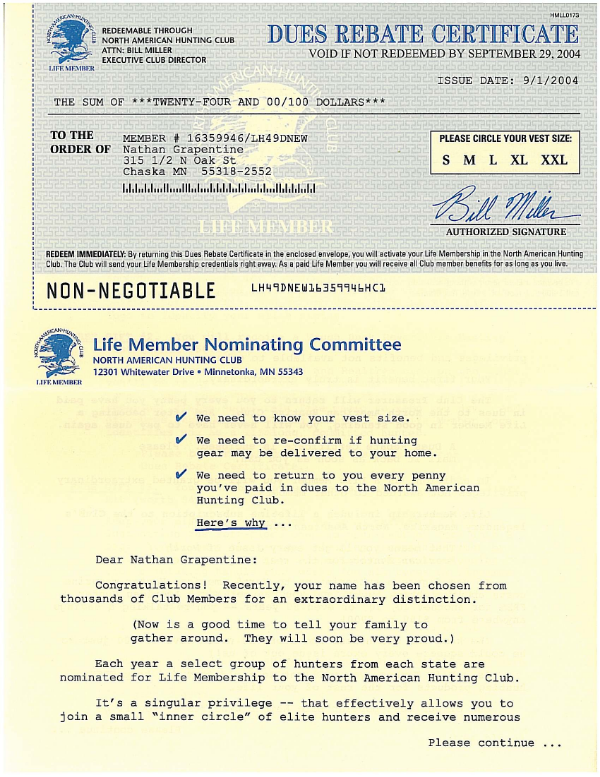
LIFE TIME MEMBERSHIP OFFER

HEALTHCARE START-UP
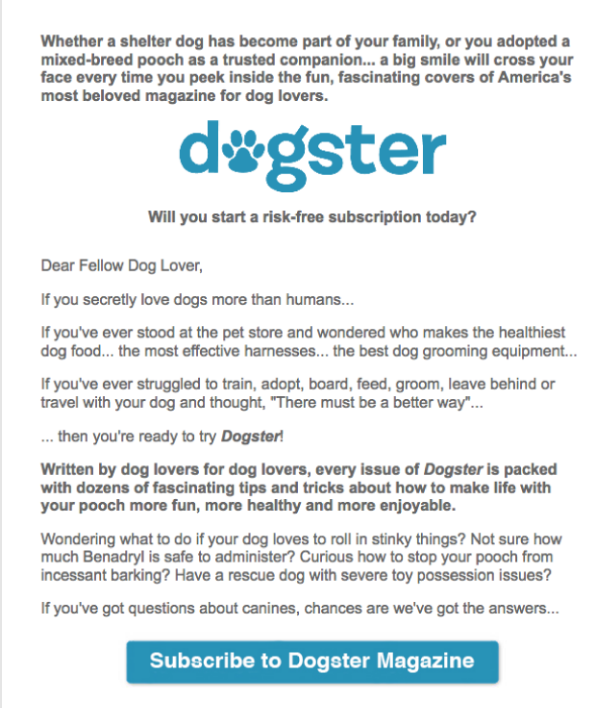
SUBSCRIPTION EMAIL

SOLAR ENERGY POSTCARD

NON-PROFIT WEBSITE
B2B POSITIONING
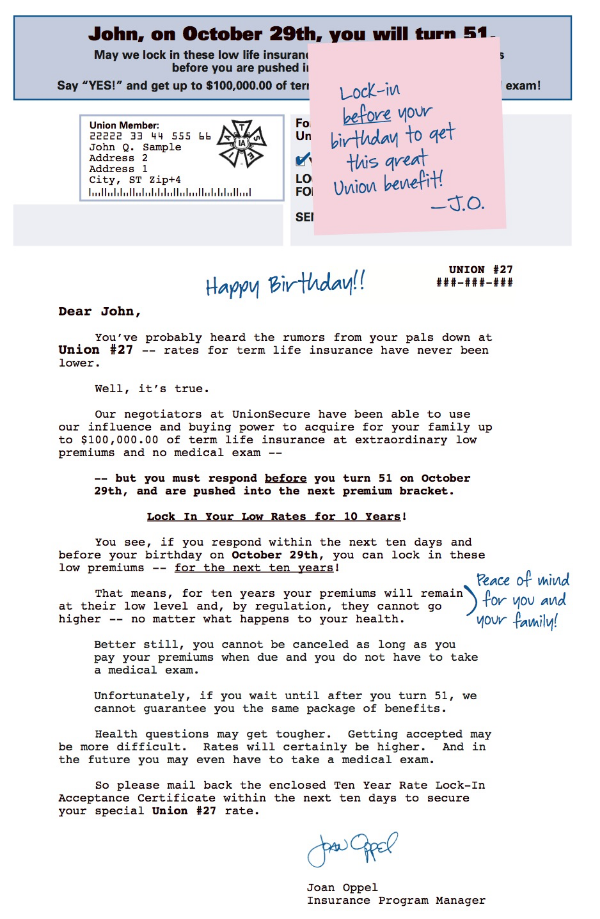
LIFE INSURANCE

HOSPITAL STAFF RECRUITMENT

CIRCULATION CAROUSELS
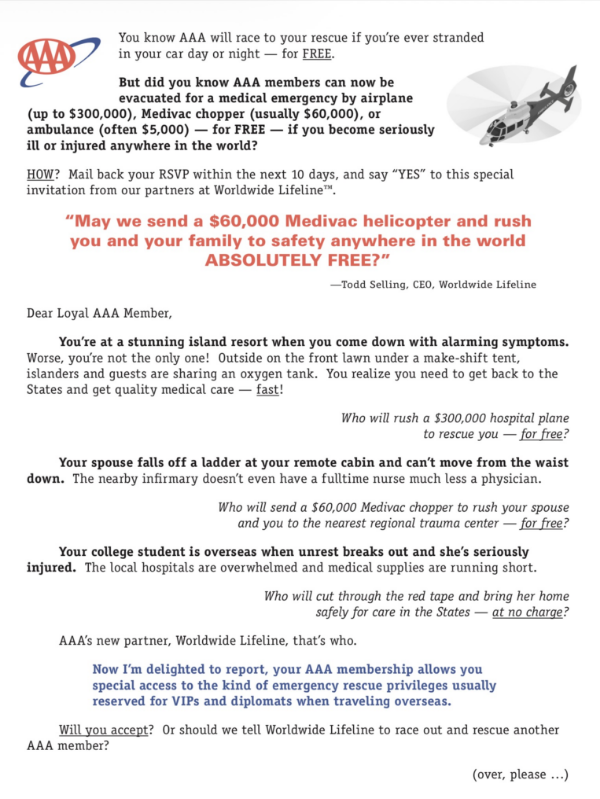
AFFINITY AIR AMBULANCE
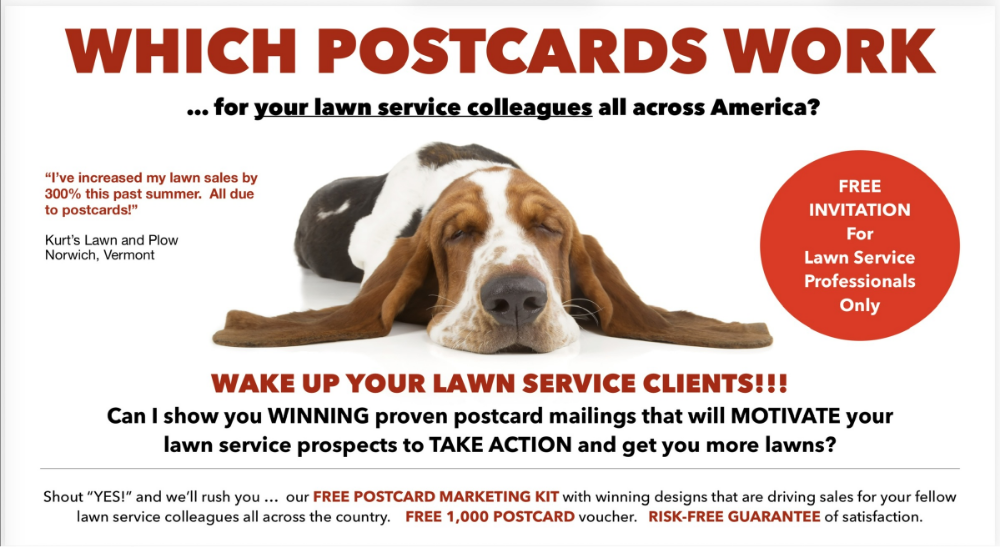
B2B AGENCY POSTCARD
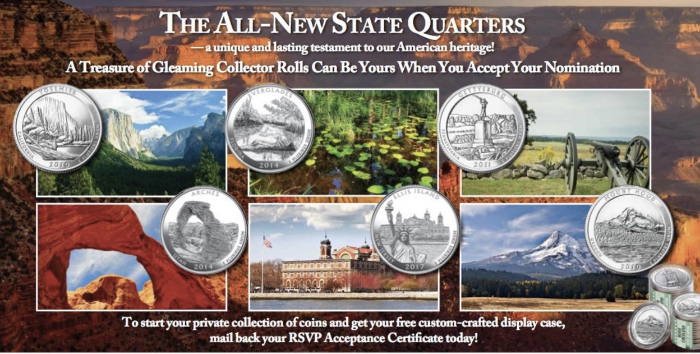
COLLECTIBLES
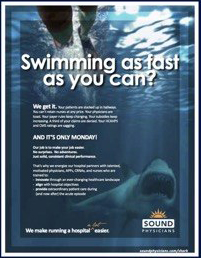
B2B HEALTH PRINT AD
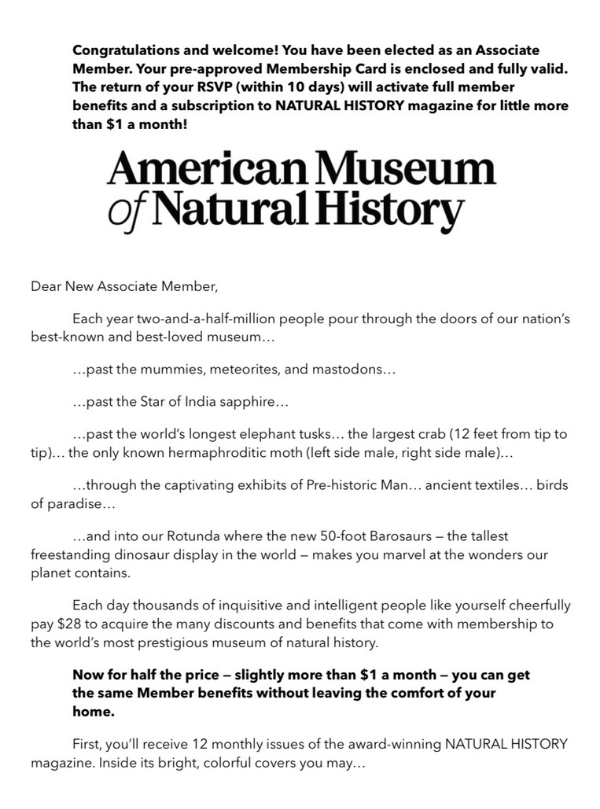
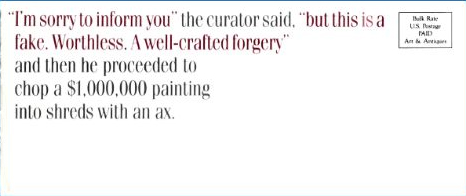
MUSEUM MEMBERSHIP
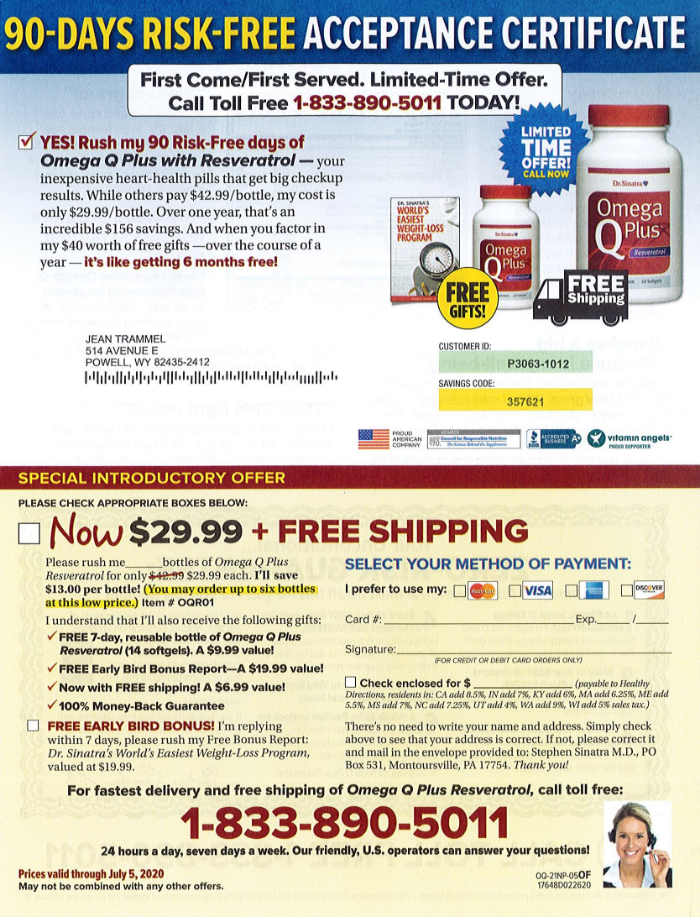
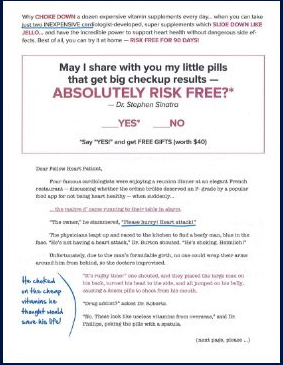
VITAMIN SUPPLEMENTS
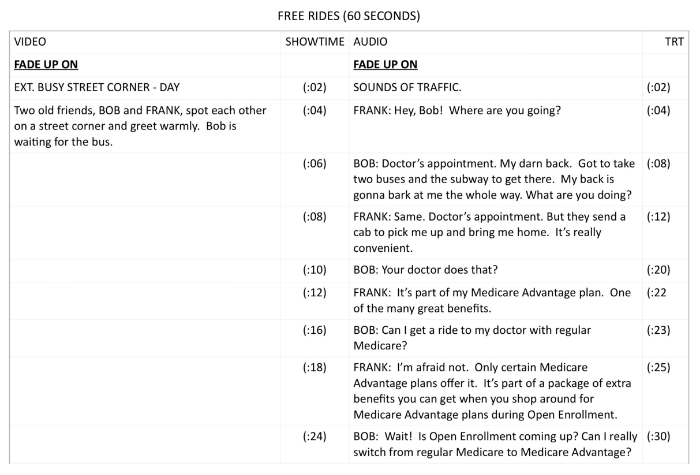
MEDICARE TV SPOT
LOW COST MEDICARE CADENCE

HOME MORTGAGE
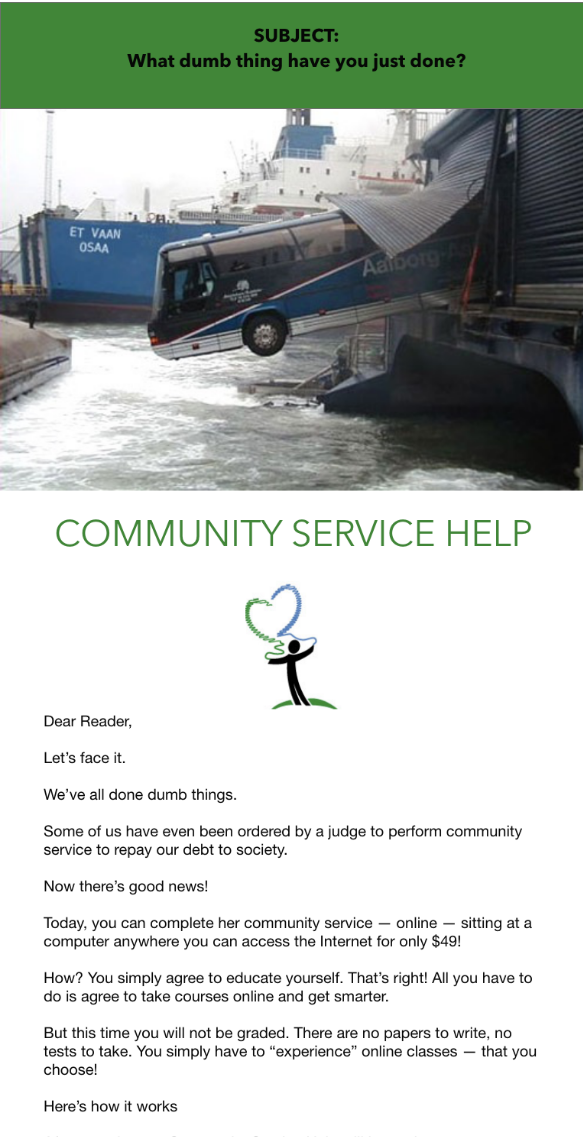
SKILL BUILDING EMAIL
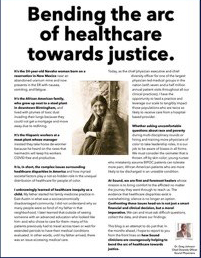
B2B HEALTH BLOG POST
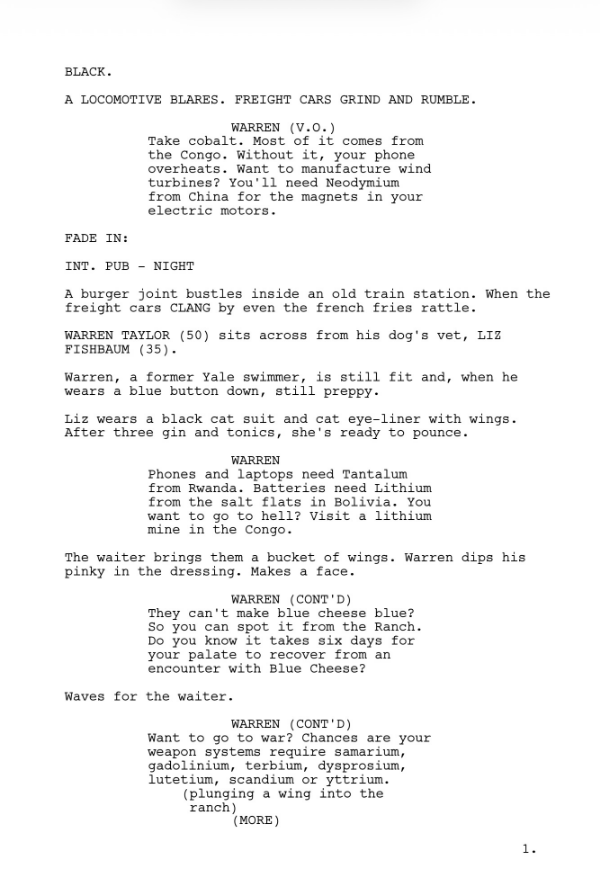
FEATURE FILM SCRIPT
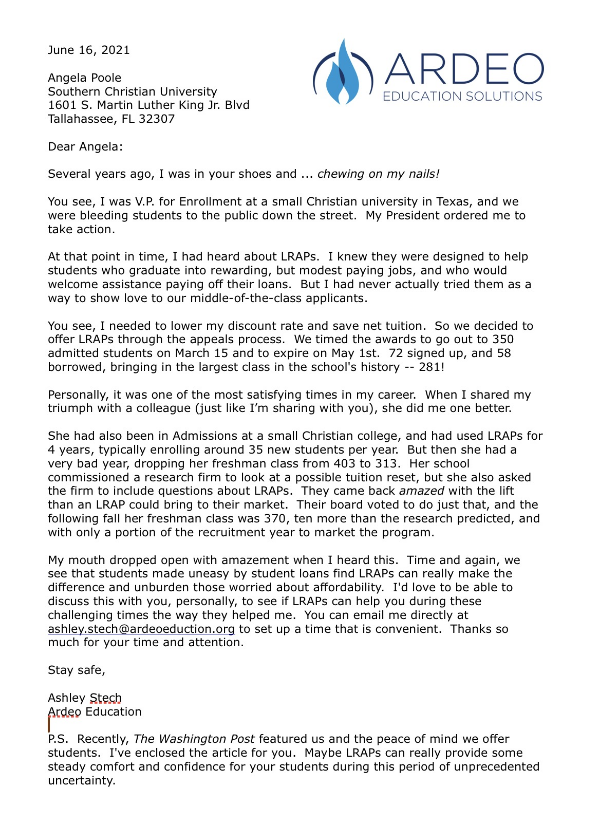
STUDENT LOANS

AUTO RECALL

D2C AUDIENCE DEVELOPMENT

APP
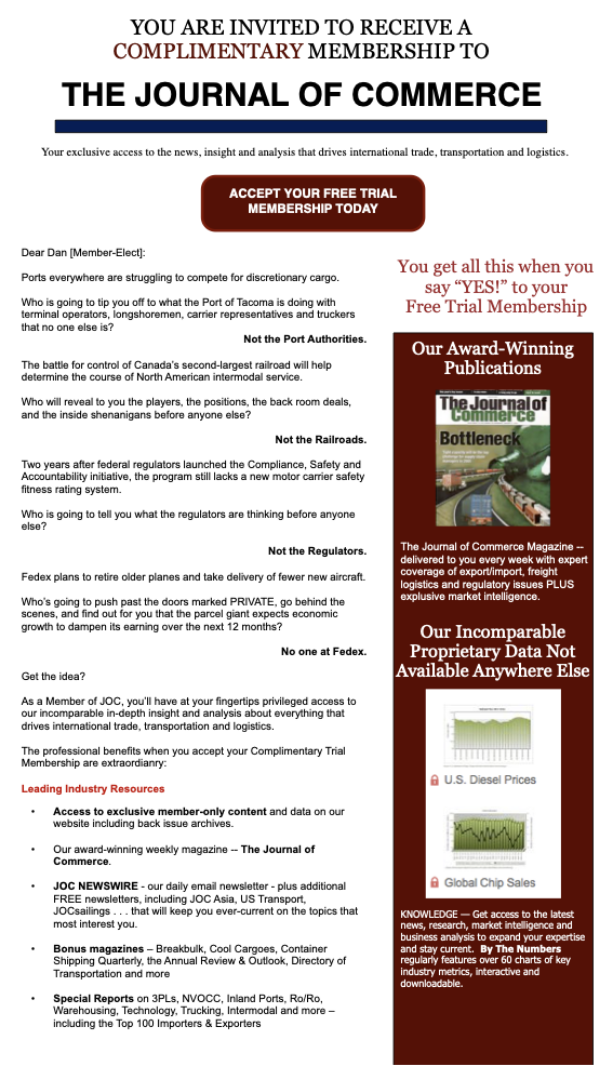
B2B EMAIL
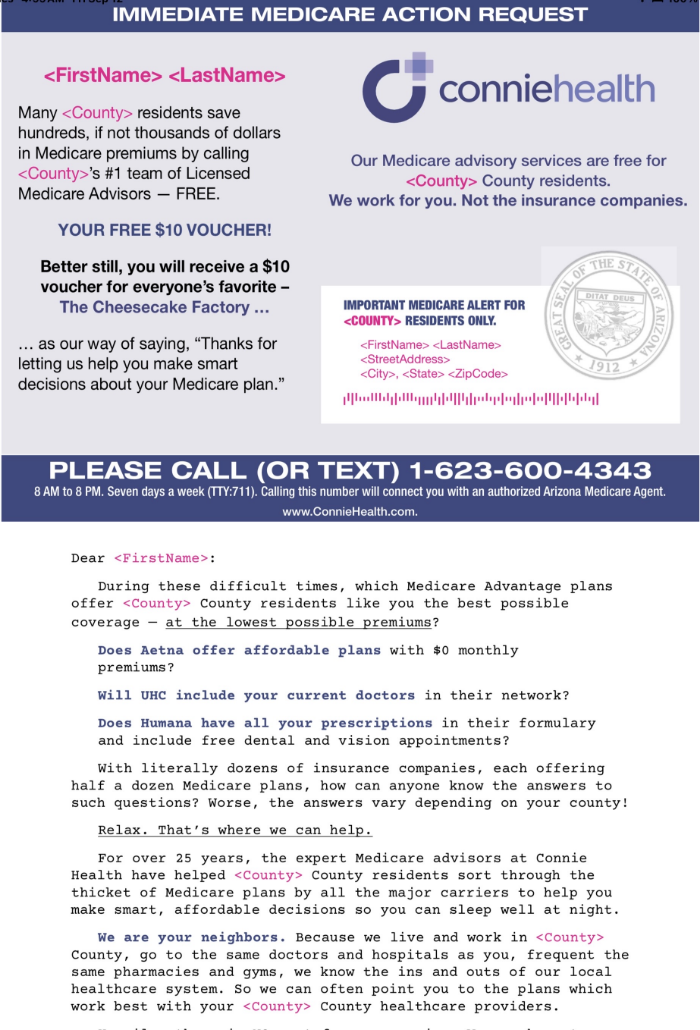
MEDICARE CADENCE
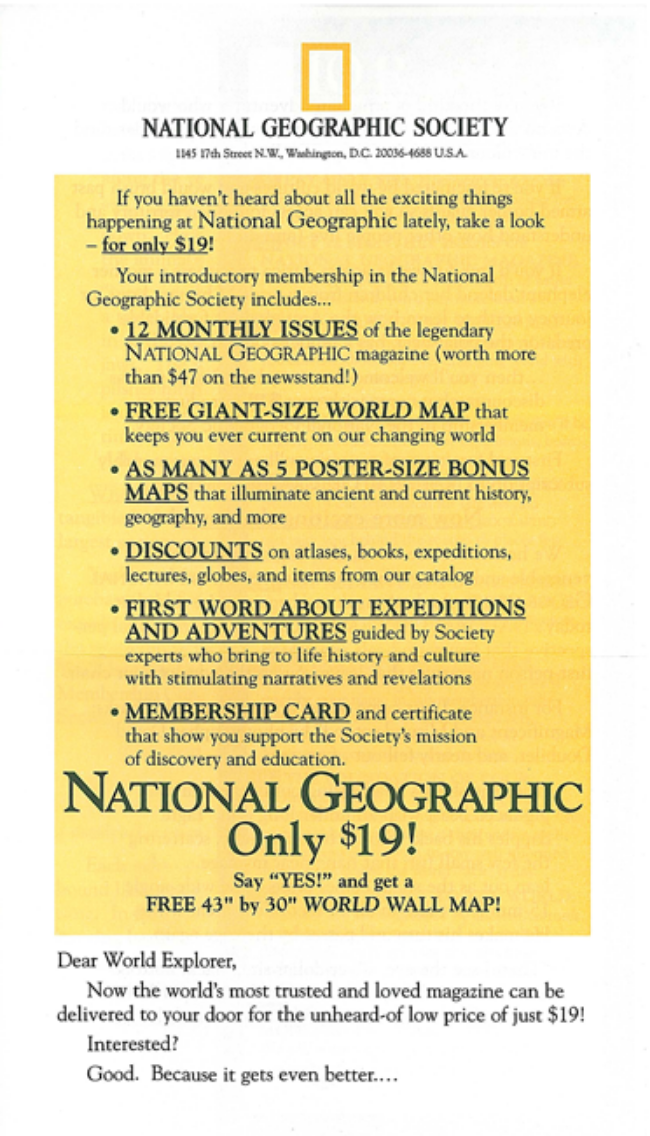
MEMBER ACQUISITION
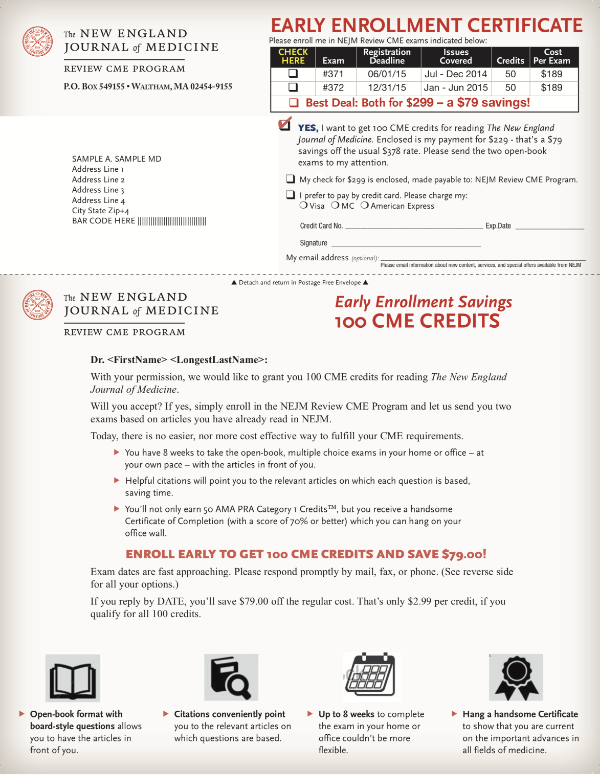
NEJM MEDICAL CME CREDITS
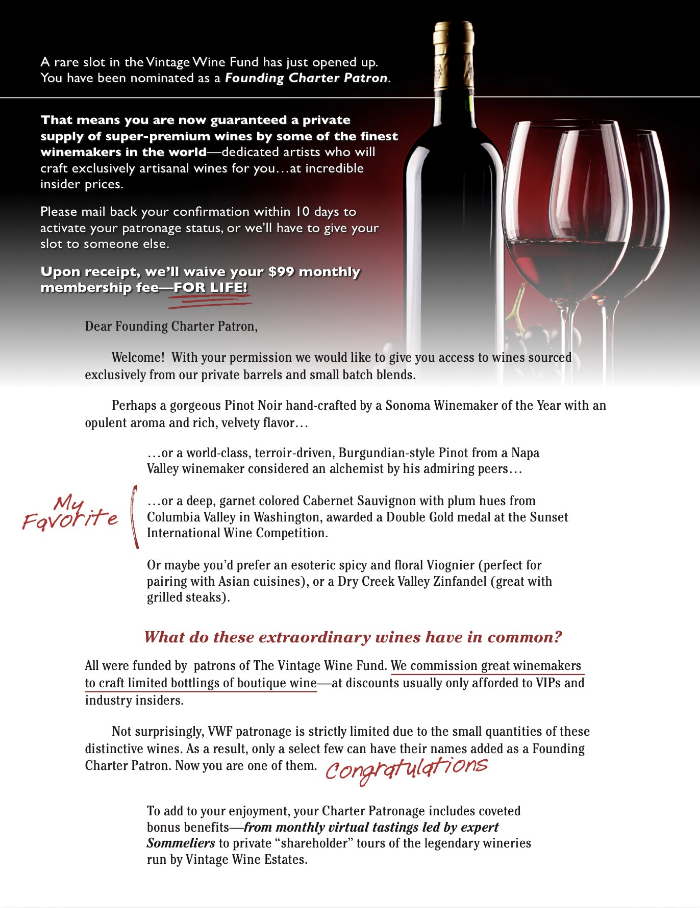
WINE CONTINUITY
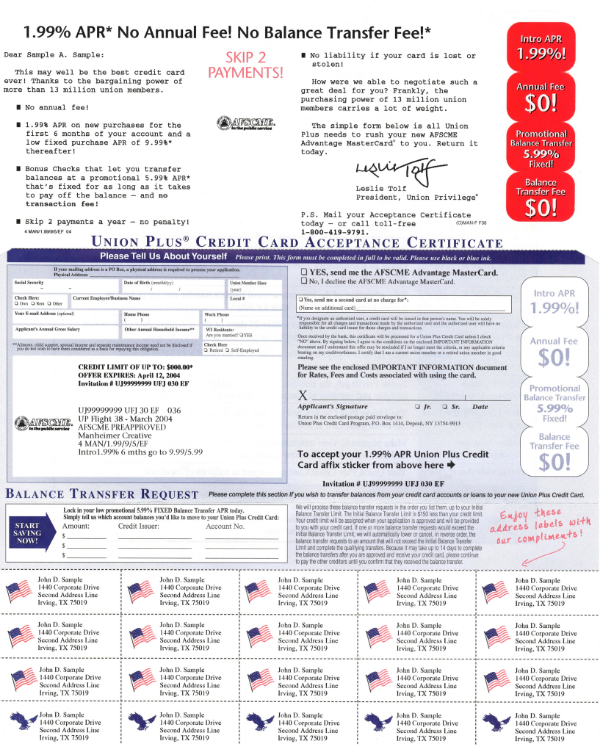
AFFINITY CREDIT CARD

D2C ADVERTORIAL
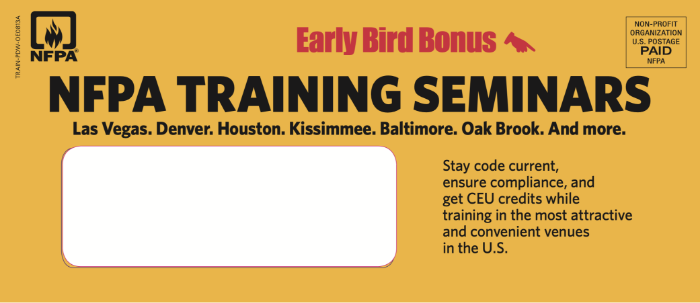
CME TRAINING

AUDIENCE DEVELOPMENT
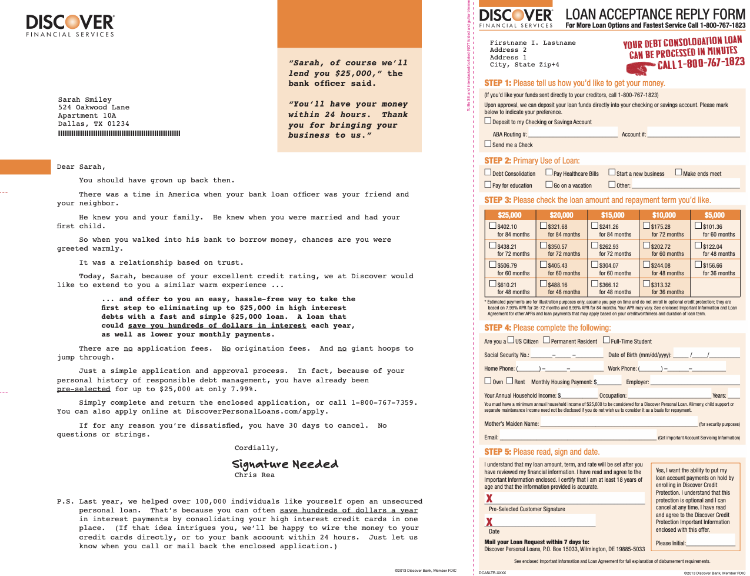
PERSONAL LOANS
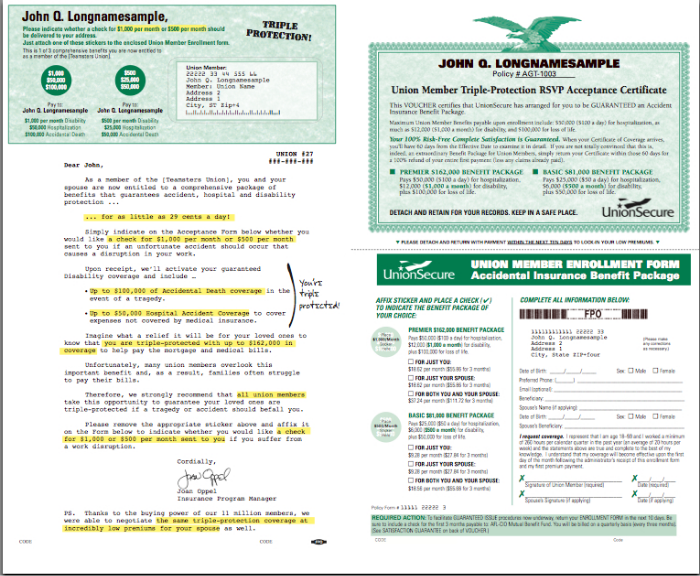
DISABILITY INSURANCE

ROADSIDE ASSISTANCE
WHY MAIL A SERIES TO MEDICARE PROSPECTS? The only thing Medicare prospects have in common is their age. Beyond turning 65, there’s no single message, format, or appeal that motivates everyone. Some respond to education. Others to urgency. Others to reassurance or a compelling offer. That’s why the strongest Medicare direct mail programs typically rely on a series of distinctly different packages designed to motivate different people—not simply repeated versions of the same mailing.
WHY ARE SO MANY DIRECT MAIL CAMPAIGNS TODAY POSTCARDS? Economics. Rising postage and production costs have pushed many marketers toward postcards because they reduce upfront expense. That’s a rational decision—but not always the most profitable one. In fact, in my career most of the time spending more on a persuasive letter package produced enough additional response to more than pay for itself. Smart marketers don’t optimize for production cost. They optimize for return on investment.
“DON’T REPEAT YOURSELF.” Hogwash. One of the biggest misconceptions about direct mail is that every component of a package should say something different. In reality, the opposite is often true. Your strongest offer and your most compelling unique selling proposition should echo throughout the package—on the outer envelope, in the headline, in the letter, in the brochure, on the lift note, and again on the reply device. Why? Because you never know which piece your prospect will read first, or whether they’ll read them all. Direct mail isn’t a subtle form of advertising. It’s a persuasive argument. The strongest arguments reinforce their central point again and again until it sticks.
* “I HAVE OUTSIDE AGENCIES. AN IN-HOUSE CREATIVE TEAM. THEY ALL USE AI. EVERYTHING I GET LOOKS AND SOUNDS THE SAME.” I hear some version of this with surprising frequency. Good agencies have talented people, but they also have processes, branding guidelines, approval chains, and now AI—all of which can pull creative work toward the middle. Years ago, graphic designer David Wise and I could often spot an agency package the moment it hit the mailbox. It was polished. Professional. And somehow… anonymous. At its best, direct mail creates the illusion of one person writing to another. Whether the tone is warm, urgent, reassuring, authoritative, or even official, it should feel like a real human being is speaking directly to one prospect with something worth saying. That’s difficult to achieve when every sentence has been averaged, softened, and polished until it sounds like everything else. The goal isn’t to reject AI. It’s to make sure the finished work still has human fingerprints—the judgment, empathy, and originality that motivate people to stop, read, and respond. ...
I tag team with growth marketers … founders … artists … mad scientists … agencies … to help articulate what makes your feverish vision unique. Clearly and compellingly. So folks stop, nod their heads in agreement, and shout, “Count me in!”
Over the years, I’ve launched everything from Air & Space Smithsonian (the magazine) to a new-fangled cage to burn your trash to a new healthcare blog for Sound Physicians.
My copy for Better Homes & Gardens mailed to every household in the country, and my package for Consumer Reports rolled out to 40 million people.
In short, I give blood at the alter of the Performance Marketing Gods so you don’t have to.
For the VP of CREATIVE SERVICES in you
 Take Ellen.
When Meredith’s VP of Creative Services wanted to launch a new magazine for women over forty, she asked me to show up at the first focus group to help position the new pub.
WHO KNEW she would later crow …
“Your copy indexed 200, doubling response. That doesn’t happen too often in magazine history and is the first time it’s happened at Meredith. Even the CEO came down to congratulate me.” —Ellen de Lathouder
(The campaign was featured in THE WORLD’S GREATEST DIRECT MAIL SALES LETTERS.)
Take Ellen.
When Meredith’s VP of Creative Services wanted to launch a new magazine for women over forty, she asked me to show up at the first focus group to help position the new pub.
WHO KNEW she would later crow …
“Your copy indexed 200, doubling response. That doesn’t happen too often in magazine history and is the first time it’s happened at Meredith. Even the CEO came down to congratulate me.” —Ellen de Lathouder
(The campaign was featured in THE WORLD’S GREATEST DIRECT MAIL SALES LETTERS.)
For the START-UP VISIONARY in you
 Take Crazy Don.
He showed up early in my comms career, and told me about his nutty idea — to lash his neighbors to computers and digitize every street in the US.
“Lash to computers?” I asked, holding his check up to the light.
“Night and day,” he nodded.
(Don needed help with his value prop, founder’s story, and some free PR to raise seed money.)
WHO KNEW Geographic Data Technology would go on to launch the entire computer mapping industry and sell to TeleAtlas for $100 million … and then later be gobbled like a throat lozenge by TomTom for $4 billion.
Today, just about every nav that yells at you to “Turn left! Turn left!” has Don’s DNA in it.
Take Crazy Don.
He showed up early in my comms career, and told me about his nutty idea — to lash his neighbors to computers and digitize every street in the US.
“Lash to computers?” I asked, holding his check up to the light.
“Night and day,” he nodded.
(Don needed help with his value prop, founder’s story, and some free PR to raise seed money.)
WHO KNEW Geographic Data Technology would go on to launch the entire computer mapping industry and sell to TeleAtlas for $100 million … and then later be gobbled like a throat lozenge by TomTom for $4 billion.
Today, just about every nav that yells at you to “Turn left! Turn left!” has Don’s DNA in it.
For the D2C HEALTH PUBLISHER in you
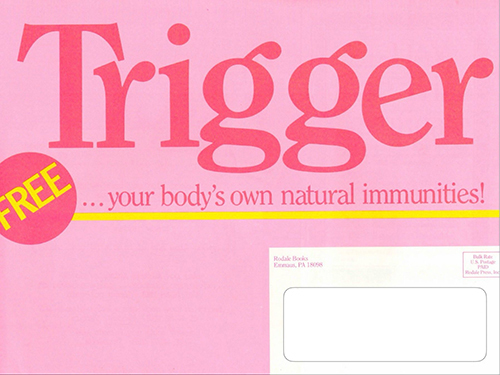
 WHO KNEW?
... my direct mail package for
EVERYDAY HEALTH HINTS would
be the most successful sales letter
in Rodale’s history.
There was a time when
Rodale Press hired the best
direct response copywriters
in the world.
So when Rodale’s Marketing
Director, Kathi Ramsdell,
summoned me to Emmaus to
discuss launching a new
book about alternative
healing, I jumped at the
chance.
“Your copy now tops our winner’s list as
the BEST-EVER direct mail package for
Rodale books with results 2 to 1 over
the standard! In fact, response was so
high, we had to change the print run.”
Kathi Ramsdell, Rodale
Product Manager
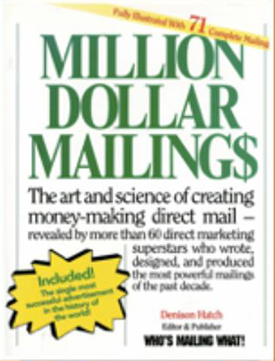
FEATURED IN
MILLION
DOLLAR
MAILINGS
The art and science of creating
money-making direct mail —
revealed by more than 100 direct marketing
superstars who wrote
the best, and produced
the most powerful mailings
of the past decade.
WHO KNEW?
... my direct mail package for
EVERYDAY HEALTH HINTS would
be the most successful sales letter
in Rodale’s history.
There was a time when
Rodale Press hired the best
direct response copywriters
in the world.
So when Rodale’s Marketing
Director, Kathi Ramsdell,
summoned me to Emmaus to
discuss launching a new
book about alternative
healing, I jumped at the
chance.
“Your copy now tops our winner’s list as
the BEST-EVER direct mail package for
Rodale books with results 2 to 1 over
the standard! In fact, response was so
high, we had to change the print run.”
Kathi Ramsdell, Rodale
Product Manager
FEATURED IN
MILLION
DOLLAR
MAILINGS
The art and science of creating
money-making direct mail —
revealed by more than 100 direct marketing
superstars who wrote
the best, and produced
the most powerful mailings
of the past decade.
Direct Mail University
Chris Salem
“The life of a growth marketer can be solitary, nasty, brutish, and short,” to paraphrase Thomas Hobbes.
Rob Dubin, Publisher, Sailing Quarerly
…go to Josh’s website and read every single word of every single page. Then save the pages to your computer and repeat the exercise again next week. Then the week after. Continue doing this week after week. In just a few months of this routine, you’ll have gained more copywriting insight than sitting down with Gene Schwartz himself. That Josh dude is a monster. And there’s a ton you can pick up from his samples on his website.” —K.G.
"I am NOT the greatest storytelling copywriter in America. That title belongs to … Josh Manheimer. This guy doesn’t just beat controls, he bludgeons them to death with 100%, 200%, even 300% victories." Richard Armstrong (probably the best storytelling copywriter in America)